

When thinking about diversity, we often think about the physical differences between us that we can see. Some experiences that shape who we are, how we connect and interact with others aren’t immediately visible. Invisible diversity includes our unique experiences and circumstances we carry with us. These “invisible” experiences can include military service, chronic health conditions, caregiving responsibilities, neurodiversity and experiences with grief and loss.
In senior living, recognizing these differences is an important part of creating a culture where every resident, family member and team member feels understood and valued. By taking time to understand others and their experiences, we can help everyone feel welcome and respected.
Veteran Status
Military service is an important part of many people’s lives, but it may not be something they openly share with others. Each veteran’s experience is unique and is filled with challenges and memories. Service members may carry experiences, skills values and perspectives that continue to influence how they see the world long after their military service has ended.
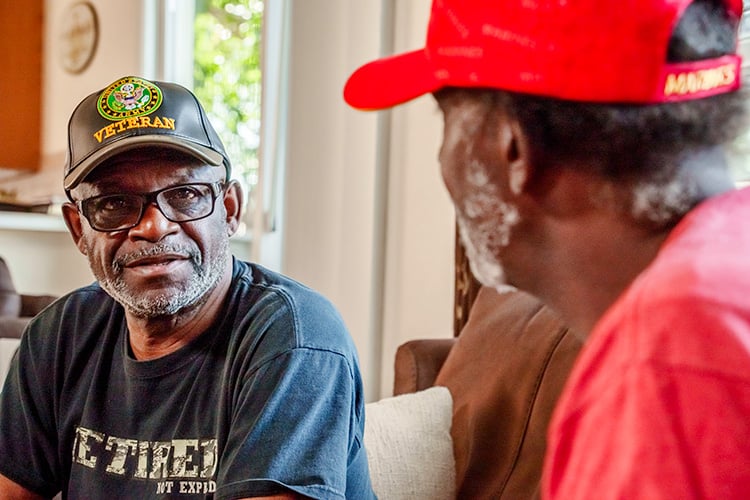
Veterans can feel very proud about their service to our country and yet may have had difficult experiences that still affect them today.Taking time to listen to our veterans, ask thoughtful questions and show appreciation for their service can help us better understand their experiences. By doing so, we can create a more supportive and welcoming environment for residents and our team members who have served.
Chronic Health Conditions
Not all health conditions are visible. Many people live with long-term health conditions that affect their daily lives, even when they appear healthy to others. These chronic health conditions can affect how someone feels, what they’re able to do, and how they interact with others. It’s important to remember that we may not always know what someone may be experiencing physically, emotionally or mentally. By being patient with others and avoiding assumptions, we can create an environment where everyone feels supported and respected.
Caregiving Experiences
Many people have experiences caring for a loved one, whether a child, parent, spouse or another family member. While caregiving can be deeply rewarding, it can also bring emotional, physical and financial challenges that may not be visible to others.
Team members may be balancing work responsibilities while caring for a loved one at home. Residents may bring years of caregiving experiences that continue to shape their perspective and daily lives. These experiences often influence how people navigate relationships, responsibilities and life transitions.

By recognizing the unique challenges and insights that caregiving can bring, we can better understand and support one another. We can create a more compassionate and inclusive community for residents and team members alike.
Neurodiversity
We all have different ways of thinking, learning and communicating. Neurodiversity includes differences in how people think, learn, communicate and process information. These differences may not be obvious but can affect how a person navigates their daily life or how they communicate with others. It’s important to acknowledge that there is no “right” way to think, learn or communicate. By providing patience and flexibility, we can help our neurodiverse members of our communities feel comfortable, included and supported.
Grief and Loss Experiences
Many members of our communities are carrying the impact of grief and loss, whether from the passing of a loved one, a major life transition or another significant change. As mentioned above, a team member may have been caring for a family member for a short or long time and recently lost that person. We might have lost a team member or resident, deeply cared for by our community. We all handle our grief differently and it can appear in our lives in many different ways. Our relationships, routines and health might be affected and there is no specific timeline for healing from a loss. Even if someone is not openly talking about grief, they may still have a challenging time dealing with it. By showing kindness and offering support to others we can help each other out during difficult times.
Seeing Beyond What Is Visible
The experiences that shape us are not always visible. Residents, family members and team members each bring unique life experiences, challenges and perspectives with them. By listening, showing empathy and avoiding assumptions, we can foster a more welcoming and inclusive community where everyone feels respected, understood and valued.