.svg)
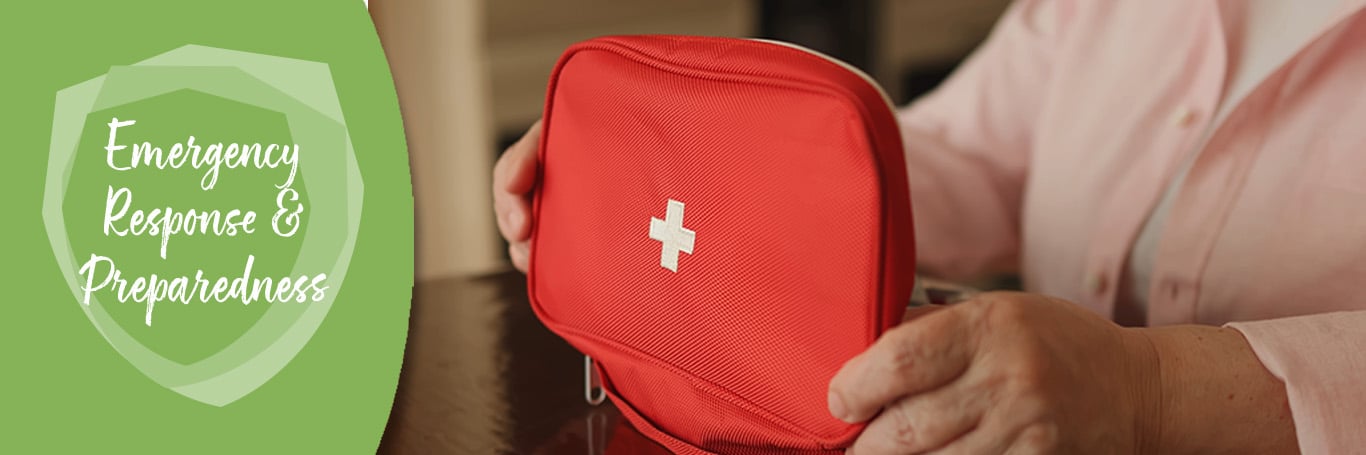


Emergencies can happen when we least expect them. Whether it's a severe thunderstorm, winter storm, flood, wildfire, or extended power outage, being prepared can help you stay safe and reduce stress during unexpected situations. While senior living communities have emergency plans in place, residents can also take important steps to prepare.
Know Your Community's Emergency Procedures
Every senior living community has procedures for handling emergencies, including severe weather events, evacuations, and power outages. Familiarize yourself with these plans and ask questions if you have them. Don’t wait for a crisis to arise.
Know where emergency gathering areas are located and understand any instructions provided by staff. Attend preparedness meetings or educational sessions when available. The more familiar you are with procedures, the easier it will be to respond calmly during an actual emergency.
Stay Informed About Weather Conditions
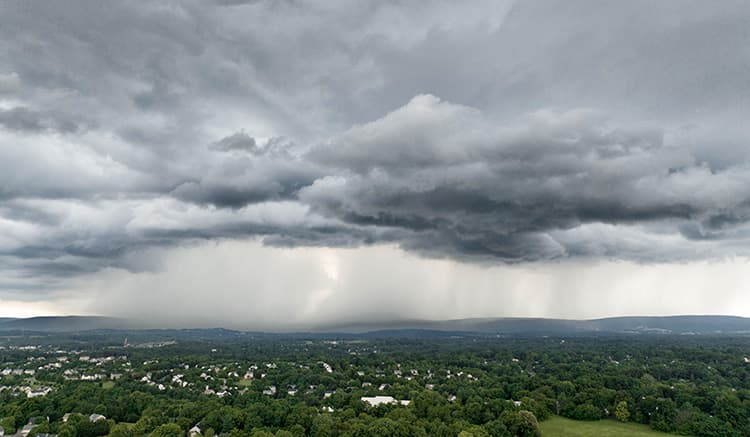
One of the simplest ways to prepare for emergencies is to stay aware of changing weather conditions. Pay attention to weather forecasts, especially during seasons when severe weather is more common. Many communities provide updates and instructions during weather events, but it's also helpful to have your own source of information.
Consider buying a battery-powered weather radio or setting up your mobile phone to receive emergency alerts. Knowing about severe weather before it arrives gives you more time to prepare and follow safety recommendations.
Create a Personal Communication Plan
During an emergency, communication can become challenging. Having a plan in place helps ensure that family members know how to reach you and where to find information about your safety.
Keep a written list of important phone numbers, including:
- Family members
- Close friends
- Healthcare providers
- Emergency contacts
- Your senior living community's main number
While many people store contacts on their phones, having a printed copy can be invaluable if your device is lost, damaged, or out of battery power.
It's also a good idea to designate one family member as a primary contact person. This individual can help share updates with other relatives and reduce confusion during an emergency.
Pack a "To-Go" Bag
A to-go bag, sometimes called a go-bag or emergency kit, contains essential items you may need if you must leave your apartment quickly or relocate temporarily within the community. Keep your bag in an easy-to-access location and review its contents every few months.
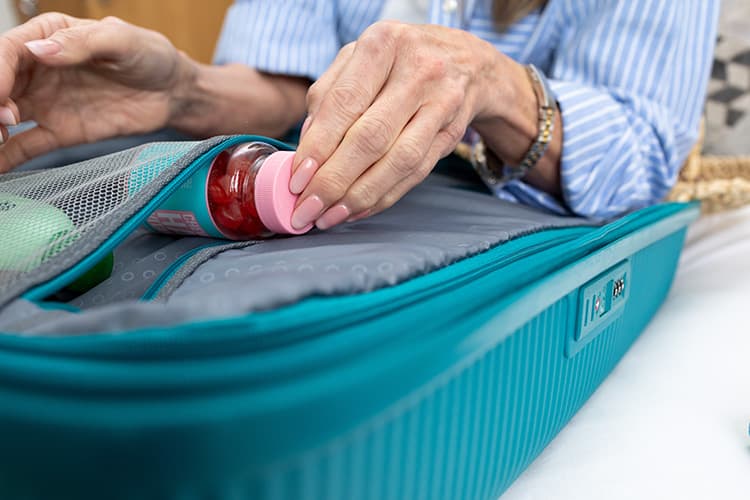
Your to-go bag should include:
- Copies of identification and insurance cards
- A list of medications and medical conditions
- At least several days' worth of prescription medications, if possible
- Extra eyeglasses, hearing aid batteries, or mobility aid accessories
- A phone charger and portable battery pack
- Comfortable clothing and undergarments
- Personal hygiene items
- Bottled water and nonperishable snacks
- A flashlight with extra batteries
- Emergency contact information
- A small amount of cash
If you have a pet, include pet supplies such as food, medications, and vaccination records.
Keep Important Medical Information Accessible
Many residents rely on medications, medical equipment, or specialized care. Having critical health information readily available can be extremely helpful during emergencies.
Consider maintaining a folder with:
- Current medication lists
- Physician contact information
- Allergies
- Medical conditions
- Copies of advance directives or healthcare power of attorney documents
Store these documents in an easily accessible location and consider keeping copies in your emergency bag as well.
Prepare for Power Outages
Power outages can occur during storms and other emergencies. Keep flashlights available. Avoid using candles whenever possible, as they create a fire risk and are often prohibited in senior living communities.
Charge mobile devices when severe weather is expected and consider keeping a portable power bank on hand. If you use medical equipment that requires electricity, discuss backup plans with community staff and your healthcare provider.
Peace of Mind Through Preparation
Emergency preparedness is not about expecting the worst—it's about being ready for the unexpected. Taking a few simple steps today can help you feel more confident and secure during weather-related emergencies or other disruptions.
By staying informed, maintaining a communication plan, packing a to-go bag, and understanding your community's emergency procedures, you can better protect your health and safety while helping emergency situations feel more manageable. Preparedness is one of the best tools we have for maintaining peace of mind, no matter what challenges may arise.