.svg)
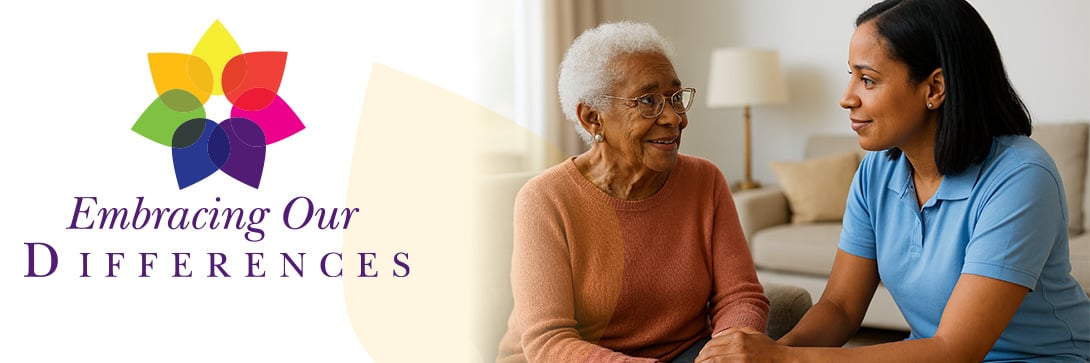


At Presbyterian Senior Living, as part of our mission, we are committed to leading with compassion and respect in providing care for residents. We understand simple interactions can affect how a person feels throughout the entire day, and that our words and actions go a long way when providing care to our residents.If we rush through our daily interactions, it can weaken our trust with those around us. It is essential that team members practice inclusive communication to ensure our residents feel respected, dignified, safe and heard within our communities.
What is Inclusive Communication?
Inclusive communication is actively listening and appropriately responding to another person's needs, being aware of personal stereotypes, avoiding assumptions, providing choices and using appropriate language in responses. It is also providing a person-centered approach to care. It is understanding that one’s age, abilities and background can shape how a person communicates and wants to be approached or addressed.
Using inclusive communication in senior care creates an environment where residents feel welcomed, valued, respected and their ideas appreciated regardless of background or identity.
To help team members understand inclusive communications, Presbyterian Senior Living has earned Platinum Certification through SAGECare training, the highest certification offered.
By fulfilling the requirements of a SAGECare credential our team members have been equipped with the knowledge and skills to provide culturally sensitive services, and augment our organization’s long-term growth by powering innovation through inclusivity.
With intentional shifts in how we speak and listen, our everyday interactions become opportunities to build trust with each person we work with.
Common Downfalls in Communication
Although we have good intentions when working with residents, we may fall into habits that don’t fall into practice with inclusive communication.
-
Making assumptions of a resident’s physical or mental abilities can limit a resident’s autonomy and opportunities for activities throughout the day. Instead of assuming, ask questions or provide choices.
-
Using “elderspeak” such as pet names or overly simplified language may feel patronizing to the resident. An example of this is referring to a resident as “sweetie” instead of using their preferred name.

-
Rushing through daily interactions and only focusing on the task at hand. This can make a resident not feel heard or that the appropriate attention was given.
While some of the examples above might feel natural or that you’re being friendly, it could be harming and creating a boundary between you and our residents.
Tips for Practicing Inclusive Communication
To start practicing inclusive communication, start with small changes in your behavior to create better habits:
-
Always use the person's preferred name. If you’re unsure, ask what a they would like to be called. Avoid using pet names for residents unless you know for certain the resident doesn’t mind.
A reminder from PSL's annual SAGE Relias training course: “Using the wrong term can make someone defensive. Using the right one can make them feel welcome.”
-
Provide choices in daily activities if possible, instead of assuming a person's physical and mental abilities. If you’re assisting a resident getting dressed for the day, instead of picking clothes out for them, ask if they have a preference between sweaters or shirts. While this may seem like a small decision to you, it can provide a sense of independence for the resident.
-
Take moments to slow down when interacting with another person. Providing a person-centered care begins when you get to know the individual. When you know and understand the person, you may pick up on their nonverbal cues when uncomfortable or don’t agree with your suggestion. An example of nonverbal cues is a tense posture or lack of eye contact.
-
Use active-listening skills to understand a person's needs and to be fully present in the moment. Remember to make eye contact and understand verbal and non-verbal cues. This communicates you hear and understand their needs and communicates the respect you have for that resident instead of simply taking care of the task at hand in the way you think is best.
Making Inclusive Communication a Daily Practice at PSL
By incorporating these small habits into daily interactions, you can ensure we all remain committed to leading with compassion and respect as promised within our statement of values. You can start by looking at your past actions, being mindful about future ones and consistently applying small changes. Over time, consistently being respectful, listening and providing individualized care will help build trust and allow one to feel valued within the community. At the end of the day, remember PSL is a resident’s home, and we should always be providing them with respect they deserve within their own home.