.svg)


While no one likes to think the worst will happen to them, preparing for an emergency is the best way to ensure your safety and well-being. Medical readiness is an essential part of healthy aging, especially for older adults who call a senior living community home. Being prepared, not just for emergencies but for everyday changes in health, can significantly improve outcomes and provide peace of mind for residents, families, and staff alike.
Why Medical Readiness Matters
As people age, the risk of sudden medical events increases. If not recognized early, conditions such as heart disease, stroke, diabetes, infections, and dehydration can escalate quickly. Senior living communities have the advantage of built-in support systems—trained staff, monitoring practices, and access to care. But awareness and quick action remain key.
Creating a culture of readiness means encouraging proactive health habits, understanding warning signs, and having clear plans in place. When residents, caregivers, and loved ones know what to look for, they can respond faster and more confidently in a health crisis.
Heart Attack Warning Signs
Heart disease remains the leading cause of medical emergencies among older adults. Recognizing the symptoms of a heart attack early can be lifesaving.
Common warning signs of a heart attack include:
- Chest pain or pressure, often described as squeezing, fullness, or heavy discomfort
- Pain that radiates to the arms, back, neck, jaw, or stomach
- Shortness of breath, even without chest pain
- Nausea, lightheadedness, or cold sweats
- Unusual fatigue, especially in women
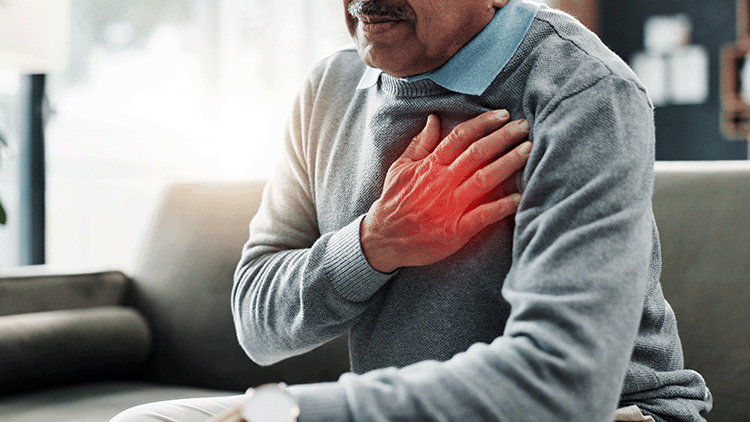
It’s important to know that seniors, especially women and those with diabetes, may not experience classic chest pressure. Instead, they may have atypical symptoms such as sudden weakness, indigestion-like discomfort, or back pain.
If a heart attack is suspected, call for help immediately. Do not wait to see if symptoms improve. When someone is experiencing a cardiac event, every minute counts.
Symptoms That Indicate a Stroke
Strokes can cause irreversible damage within minutes, making rapid response essential. The easiest way to remember the signs of a stroke is with the acronym FAST:
- F – Face drooping: One side of the face may sag or appear numb.
- A – Arm weakness: The person may be unable to raise both arms.
- S – Speech difficulty: Speech may be slurred, confused, or hard to understand.
- T – Time to call 911: Immediate medical attention is critical.
Additional warning signs may include sudden vision changes, severe headache, difficulty walking, or sudden confusion. Even if symptoms disappear quickly, which can be an indication of a transient ischemic attack (TIA), a medical evaluation is necessary.
Symptoms of Other Major Health Issues in Older Adults
Dehydration
Many older adults have a reduced sense of thirst caused by a health condition or medication. This can increase the risk of dehydration. Warning signs include dry mouth, dark urine, confusion, dizziness, or sudden fatigue.
Urinary Tract Infections (UTIs)
Older adults may not experience the typical symptoms of a UTI, like burning or urgency. Instead, this potentially serious condition can cause confusion, agitation, falls, or sudden behavioral changes. Early detection prevents complications.
Pneumonia and Respiratory Issues
Watch for coughing, shallow breathing, fever, sudden weakness, or changes in mental clarity. Respiratory infections can escalate quickly in seniors.
Diabetic Emergencies
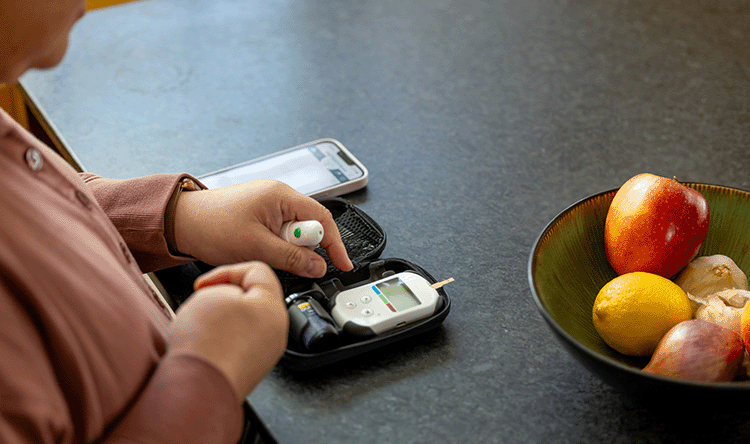
Signs may include extreme thirst, sudden confusion, fruity-smelling breath, rapid breathing, or changes in skin temperature. Unusual behavior or fatigue in diabetic residents should always be taken seriously.
Falls and Mobility Changes
Falls remain the leading cause of both fatal and nonfatal injuries among older adults. And a fall can also be a warning sign of an undetected health concern. Even minor falls may indicate vision changes, blood pressure issues, medication side effects, or infections. Sudden unsteadiness or a new fear of walking are also red flags.
The Bottom Line
Medical readiness is more than emergency response. It’s a proactive commitment to health, safety, and dignity. By understanding warning signs and fostering strong support systems, senior living communities can work together to keep residents, family visitors, and team members safe.