.svg)

Quick Answer: September offers a natural opportunity to reset healthy habits and wellness goals. For older adults and retirees, establishing routines around physical activity, nutrition, sleep, stress management and social engagement can support healthy aging and overall well-being. Small consistent changes often create the most lasting results.
Why September Feels Like a Natural Fresh Start
While January is often associated with resolutions, September brings its own sense of renewal and can be the perfect time to reset wellness goals.
As summer winds down, many people feel inspired to refocus, reorganize and recharge. September can be an ideal time to step into a healthier, happier version of life.
The best part is that wellness has no expiration date. But why does September feel like a new beginning? For many people, regardless of their age, it carries a familiar "back-to-school" energy that encourages goal setting and fresh starts. Calendars begin to fill up, schedules become more structured, and the transition from summer often creates renewed motivation to focus on personal goals. A wellness reset doesn’t require major or dramatic changes. In fact, lasting transformations often start with one small step.
Wellness is about Progress, Not Perfection
A wellness journey is about progress, not perfection. It is easy to believe that meaningful change requires a complete lifestyle overhaul. Many people promise themselves daily workouts, good eating habits, and lots of motivation, then life happens. Real wellness is different. It’s about choosing to take a walk, adding fruit and vegetables to meals and making small choices that can be repeated consistently.
It's Never Too Late to Support Healthy Aging
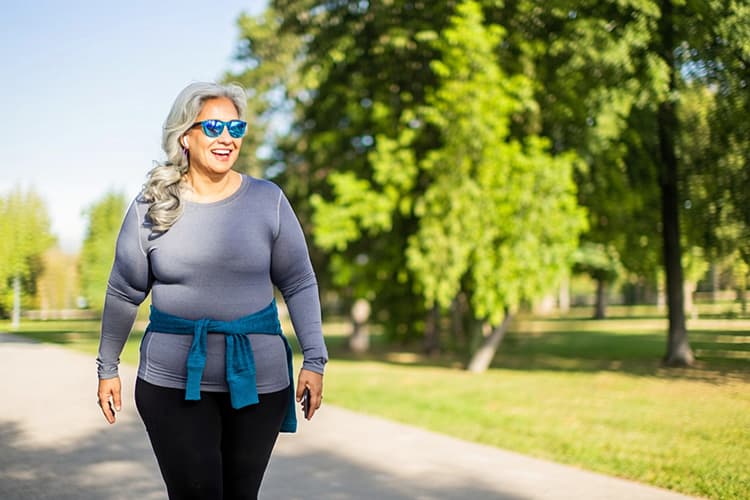
Healthy aging isn't about turning back the clock or achieving perfection. It's about making choices that support physical, mental and emotional well-being at every stage of life. While our needs may change as we grow older, the ability to benefit from healthy habits does not. Small actions - such as staying active, eating well, getting enough sleep and maintaining social connections - can help support overall wellness and quality of life. No matter your age, today is a great time to take a positive step forward toward healthier living.
The idea that it's "too late" to improve health is one of the most persistent myths about aging. Research continues to show that healthy habits can benefit people at every stage of life.
Healthy Habits Benefit Every Stage of Life
In the 20s and 30s, many people are building lifelong habits. In their 40s and 50s, attention often shifts toward balancing careers, family responsibilities and long-term health. In the 60s and beyond, staying active can support independence, strength, flexibility and cognitive health. No matter the age, our bodies benefit from movement, nourishing food, good sleep and stress management. The goal isn’t to turn back the clock; it’s to make the most of today.
Create Your Own September Wellness Challenge
One effective way to build momentum is to create a personal September wellness challenge. Instead of setting overwhelming goals, choose one or two simple habits to practice throughout the month. Consider trying to:
-
Walk for 20 to 30 minutes most days
-
Eat an extra serving of fruits and vegetables
-
Drink more water
-
Practice five minutes of mindfulness or deep breathing
-
Turn screens off an hour before bed
-
Spend more time outdoors

Successful wellness goals are specific, realistic and easy to maintain. Rather than trying to change everything at once, focus on one or two habits that fit naturally into your daily routine. Consistency is often more important than intensity when building lifelong healthy habits.
Everyday Actions Can Lead to Lasting Results
Always give yourself permission to start again. Life isn't a straight line. There will always be vacations, busy seasons, illnesses, celebrations, and setbacks. If we miss a workout or enjoy a dessert, it doesn’t erase our progress. Every day offers a chance to begin again. September is a helpful reminder that fresh starts aren’t reserved for New Year’s Day; they're available anytime the decision is made to take that first step.
Small Steps, Meaningful Change
This September, rather than focusing on becoming a completely different person, focus on becoming a slightly healthier version of yourself. Healthy aging is built through small, consistent habits that support well-being over time. Remember that healthy change isn't about age; it's about the willingness to take the first step. Whether that's going for a walk, drinking more water or committing to one healthy habit, small actions can build momentum over time.
As people grow older, maintaining healthy habits often becomes easier when opportunities for fitness, social engagement, lifelong learning and wellness programs are readily available. Many retirement communities offer resources designed to support active aging through wellness programs, fitness opportunities, lifelong learning and social engagement.
Remember that “a fresh start has no age limit" and that “every sunrise is an invitation to begin again.”
Here’s to “September” being a reset month for healthier habits and renewed well-being.