Practical Guide for Family Caregivers

Essential Tools, Support, and Resources for Your Caregiving Journey
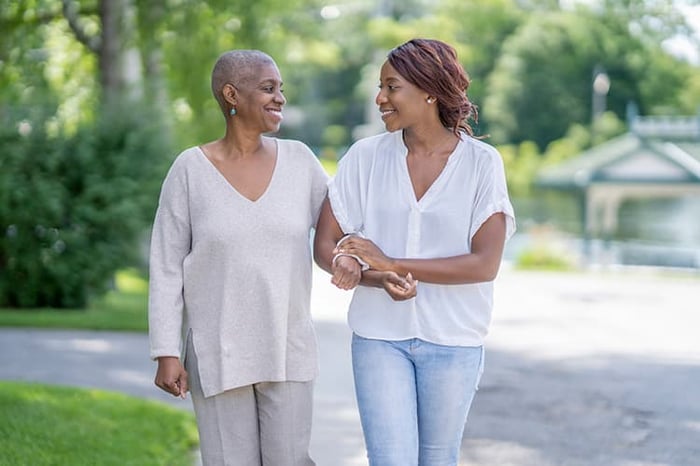
Being a family caregiver can feel overwhelming, especially when you’re juggling multiple priorities and new responsibilities. This Practical Guide for Family Caregivers is designed to provide clear, trustworthy support as you navigate challenges such as changing nutritional needs, managing medications, coordinating care, and using helpful caregiving technology. Our goal is to equip family caregivers with practical information, essential resources, and confidence as they care for a loved one at home.

Table of Contents

Chapters

Read the full guide below! Or you can also fill out the form for a downloadable PDF version of the guide you can reference later.

Cover of Guide Practical Guide for Family Caregivers


Chapter

Introduction to Family Caregiving: What Every Caregiver Should Know

Chapter 1

Caregiving is a partnership. One that requires a commitment of time, patience, compassion, and resources. For most families, caregiving begins with loved ones pitching in to help an aging parent or grandparent with small tasks and transportation. As the senior’s needs increase, one family member typically provides the majority of care and support every day. Referred to as the primary caregiver, this person is often the eldest daughter or the adult child who lives closest to the older adult.

Because caregiving is a responsibility few families are prepared for, it’s a good idea to learn the ins and outs of caregiving and the various duties and resources involved.

Chapter

How to Conduct a Home Safety Assessment to Support Aging in Place

Chapter heading intro

Seniors often live in the same home for decades. For many, there is a sentimental attachment that keeps them from making a move. It might be the house where they raised their children or the last place they lived with a late spouse. While an older home may hold fond memories, few are designed to accommodate the age-related changes we all experience eventually.

Stairs, bathtubs, and lighting are three potential safety hazards that can be problematic later in life. And there are many more that aren’t so easily identifiable. It is important to address these concerns in order to keep an older person safe in their home. From falls to fires, families must identify possible problems around a senior loved one’s home. They can do this by conducting a home safety assessment.

Person tripping over white rug

Identifing Fall Hazards in the Home

The statistics on falls among seniors are startling. Every year, one in four seniors experiences a fall. These falls are the leading cause of fatal and nonfatal injuries among older adults. Equally concerning, once a senior has had a fall, they are two to three times more likely to do so again. Conducting a fall audit can lower a senior’s risk for a fall-related injury. Here are a few of the most common hazards to look for in an older adult’s home:

• Poor lighting over stairways and landings

• Uneven flooring or tears in carpeting and rugs

• Lack of grab bars near toilet, shower, and bed

• Bathtub that a senior must climb into for showers

• Cracks and bulges in sidewalks and driveways

• Missing or unsteady handrails on stairways and exterior steps

• No lighting in bathrooms and hallways used after dark

For someone who isn’t comfortable identifying potential fall hazards, a senior loved one’s physician can be a helpful resource. They will likely recommend a physical or occupational therapist who can walk through an older adult’s home and offer suggestions to make the house safer. It’s important to know there are other factors that increase the likelihood an older person will fall. These include poor nutrition, vision loss, and dehydration. A lack of exercise and a sedentary lifestyle are others.

Smoke Detector on ceiling

Fire Safety Risks and Prevention Tips for Seniors

Many adults don’t think much about home fires beyond the need to install smoke detectors. For a caregiver of an aging family member, however, having a fire safety plan in place is a must. That’s because research shows just how deadly fires are for older adults.

For seniors, the risk of being harmed or fatally injured in a home fire is two times higher than the general population. For those over the age of 85, the risks are even more frightening. They are almost five times more likely to be harmed in a home fire. While people over 65 make up only 13% of the US population, they account for 35% of all deaths linked to fires.

Here are a few ways a family caregiver can protect a senior from being at risk:

  • Account for Hearing Loss: Every second counts when a fire starts to smolder in a house. For a senior with any degree of hearing loss, a traditional smoke detector might not work. They may not hear the alarm, especially if they are sleeping. Fire safety products designed for the hearing impaired can send an alert to a smartphone or wearable device. Some can flash a light or shake the bed to wake a sleeping senior. A home security system with a fire safety option is another idea to explore. Consider one that calls the fire department if someone in the home detects smoke or flames.

  • Plan and Rehearse Escape Routes: It’s a good idea to establish at least two different escape routes, especially from the rooms where a senior spends the most time. Be sure both ways of vacating the home are easy to navigate under stress. That means ensuring windows are in good repair and can be opened easily. Caregivers should also help the senior to keep the escape routes free from clutter with motion-sensitive nightlights.

  • Alert the Fire Department: If a senior loved one has a mobility challenge or vision/ hearing loss, call the nonemergency number for the fire department to alert them. In the event there is a fire or other emergency, it will be useful information for first responders to have.

Chapter

Medication Management Strategies for Family Caregivers

Family Caregiver Medication Management 1
Caregiver son giving medication to senior father

Older adults are more likely to take a greater number of medications than younger people. Finding ways to help a senior stay on track is essential. When an older adult has memory loss, it can become even more challenging. From taking the correct amount at the right time to ordering refills, here’s what family caregivers should know about medication management.

Common Medication Mistakes Among Older Adults

According to the National Academy of Medicine, 770,000 older adults a year wind up in a hospital emergency room for issues related to medications. Here are some of the most common struggles seniors have with managing their medicine:

  • Confusing Dosage or Time: Some prescription medications are time-sensitive, such as those for diabetes and heart disease. If a dose is missed or if several doses are taken too close together, it can be dangerous to an older adult’s health. The same is true for how much medicine to take. Confusing dosage amounts is easy to do when a person takes multiple medications.

  • Swallowing Difficulties: Some seniors have chronic health conditions that make swallowing difficult. A fear of choking might keep them from taking medications as prescribed. They might also crush pills or empty the contents of a capsule in water to drink. While this works for some types of medicine, it can make those with a time-release component ineffective or even dangerous. Check with the pharmacist for clarification.

  • Challenging Vision: If an older adult has a vision impairment, reading the small print on a prescription bottle might be tough. It can lead to a medication error. Fortunately, this challenge is usually an easy fix. Ask the senior’s pharmacy to use labels with a larger font that is friendlier on older eyes. Another vision-related issue to be aware of is if a senior dropping pills on the floor without realizing it. This can make them miss a dose or be short on medication before it’s time for a refill.

The good news for family caregivers is that there are a variety of technologies that can help make medication management a little easier

MedMinder Medication Management

How to Organize Medications for Safety and Accuracy

Here are two products that will make it easier for a senior loved one to stay on a medication schedule:

  • MedMinder: A company that older adults have relied on for years is MedMinder™. They offer a variety of solutions to explore, and even have a pharmacy option that can prefill medication dispensers before delivering to a senior. Helpful features on their medication dispensers include visual, audio, and cell phone alerts at dosage times. Family members can even be notified if an older adult misses a dose.

  • Hero: This well-designed system sits on the counter and dispenses the right medications at the correct dosage times. The senior can place their hand under the dispenser catching the pills as they fall. No struggling to open or close pill bottles. Hero can hold up to 10 different types of medication at once with a 90-day supply of each. The coordinating app can alert a family member if a dosage is missed.

Chapter

Senior Nutrition Guide: Healthy Eating Tips for Older Adults

Family Caregiver Nutrition for Older Adults 1.Ajpg
Senior woman eating fruit at lunch

Another essential element of caring for a senior loved one is addressing nutritional needs. What people may not know is that nutritional requirements change significantly as we age. Because the body absorbs and processes nutrients differently, the number of vitamins and minerals a senior needs can change over time.

How Nutritional Needs Change with Age

In general, health professionals advise seniors and caregivers be mindful of the following issues regarding nutrition for aging adults:

  • Watch Vitamin D Levels: Deficiencies are more common as people age. A simple blood test will determine if a senior needs a supplement and how much. A senior’s doctor may also suggest taking a calcium supplement to help the body better absorb Vitamin D.

  • Monitor Sodium Intake: Consuming too much sodium can contribute to health issues such as a stroke and heart disease. If there is uncertainty about how much is too much for an older adult, talk with their physician. They can help determine a target amount of sodium intake based on the senior’s personal health.

  • Consume Lean Protein: A loss of muscle mass can begin in early adulthood and lead to a loss of core strength and problems with balance. This is why incorporating lean protein into an older adult’s diet is essential. Skinless poultry, fish, Greek yogurt, lentils, milk, and cottage cheese are a few easy sources of lean protein.

Key Nutrients Seniors Need for Health and Strength

  • Eat the Rainbow: Leafy greens, colorful fruits, carrots, brussels sprouts, and bell peppers are a few examples of what nutritionists mean when they say to eat the rainbow. This refers to incorporating a variety of colors of fruits and vegetables into the diet. Doing so helps an older adult maintain a stronger immune system, as well as reduce the risk for some chronic diseases.

Man delivery meals to an elderly person

Home Delivered Meal Services for Seniors

If time is in short supply, which is often the case for caregivers, consider trying a home delivery meal service. They are available in a variety of formats at different price points:

  • Home Chef: Using preportioned ingredients, this flexible service is one of the most popular.

  • Purple Carrot: A plant-based meal service, Purple Carrot is also high in protein and gluten free.

  • Daily Harvest: While not a traditional home meal service, Daily Harvest can be a healthy solution for breakfasts, snacks, and easy lunches.

There may also be local solutions to consider as well. Call the nearest Agency on Aging or Senior Center to ask if they know of any home delivery services nearby.

Man delivery paper bag of groceries to a home

Chapter

How to Help Seniors Stay Socially Engaged

Family Caregiving Seniors Stay Social 1-1
Two senior women playing card to stay social

Humans are naturally predisposed to socialize, some more so than others. When an older adult or senior couple is isolated or lonely, research shows they are more likely to experience a variety of health issues.

Health Risks Related to Senior Isolation

From colds and flu to more serious medical conditions like heart disease, diabetes, and depression, isolation has been identified as a serious health risk for older adults. Research even links isolation to early mortality. When caring for a senior loved one, it is important to encourage them to socialize and build a network of friends.

Ideas for Building Social Connections for Older Adults

Here are a few ideas to share with aging family members:

  • Volunteer Work for Older Adults: Supporting a personal cause can provide purpose in life. That’s especially true for older adults whose children are grown and gone, and those who’ve left the working world. Connecting and lending time to a nonprofit organization is one way to do that. From answering phones to serving meals at a local shelter, there are a wide range of opportunities for seniors to assist.

    For example, for Ann H, a resident at Quincy Village, volunteering is not just a pastime; it's a calling. As the manager of the Quincy Village Thrift Shop, Ann’s journey into the world of volunteerism unfolded unexpectedly.

    “Three years ago, the manager needed to step back and I was asked to take over. It turned out to be a lot more hours than I thought it would be, but it’s a lot of work we do with joy,” she says.

    Need other ideas? Call the local United Way office for help locating a volunteer opportunity for a senior loved one.

  • Senior Centers and Groups: Another way to expand one’s social circle is to join a senior center or another group comprised of older adults. It might be a retiree organization from a former place of employment or a senior group at a church or synagogue. Many communities have local service organizations that attract older adults, such as the Lion’s Club.

  • Adult Day Programs: For older adults with memory loss or those with health conditions or mobility limitations, spending a few hours a day or week at an adult day center can provide social opportunities. Some programs are geared towards adults with dementia, and others are open to seniors with other chronic health conditions. Most offer activities throughout the day, and also serve meals. Many programs include transportation to and from the center.

  • Virtual Connections: Due to the COVID-19 pandemic, many families became comfortable using platforms like FaceTime and Zoom. These platforms allow for face-to-face conversations among users. Creating a schedule to continue these virtual gatherings can give a senior the opportunity to socialize, especially when leaving home is difficult. There are also nonprofit organizations that seek virtual volunteers. Visit sites like Volunteer Match or Points of Light to review virtual opportunities. They list volunteer job descriptions from cities and states across the country.

Chapter

Long-Distance Caregiving Tips: How to Support a Senior Loved One from Afar

Fmily Caregiving Caring Long Distance A
Senior man using tablet to talk to family

In today’s transient society, families are often separated by many miles. Adult children may move to another city to pursue their education or relocate for their career. As the years go by and the needs of an aging parent increase, adult children often find themselves trying to navigate the role of long-distance caregiver.

Making sure that a senior loved one has what they need when family members live far away can be difficult. We have some ideas to make long-distance caregiving a little easier.

How to Assess a Senior's Needs when You Live Far Away

The first step is to assess what an aging loved one’s abilities and challenges are. For some adult children, this unbiased evaluation is a tough task to complete. But it’s important to look at the situation as objectively as possible. Only with an honest understanding of the situation can a meaningful and effective plan of care be created.

If possible, caregivers need to spend at least a week or so with the senior in their home. It is important to make notes throughout the visit to document what the senior struggles with, as well as what tasks they are able to complete safely on their own. For example, are their driving skills declining? Does the senior seem to be unsteady rising from a chair or walking? How are they managing grocery shopping and cooking?

Finally, have a conversation with the senior and ask what they think about their situation and if there are chores or personal care tasks they feel unsafe performing. Their answers may be surprising!

Building a Care Team and Local Support Network

When an assessment has been completed, the next step is to create a plan of care moving forward. Research and talk with senior care professionals in the community. Meet with in-home care agencies personally or via a video chat service. Consider touring local assisted living communities. In-person visits are best, but virtual tours can be useful. The goal is to put together a team of professionals to care for an aging loved one.

Senior Care Professionals Who Can Help

If there are no family members or friends nearby who can regularly look in on the senior, it may be necessary to employ paid professionals. For many adult children who live far away, it can be helpful to enlist the services of an aging life professional. Also referred to as geriatric care managers, these professionals act as the eyes and ears of family members when they can’t be there. They have experience in a wide range of services, such as supervising home care staff or monitoring a senior’s care in an assisted living community.

Another suggestion is to contact the local Agency on Aging. Every city or county has one. Most of these agencies have both paid staff and volunteers who can assist seniors and advocate on their behalf. While they don’t fulfill the same duties as paid care professionals, They generally have volunteers who can check on seniors who live alone or who are homebound.

An Agency on Aging can also be a great resource for connecting with mobile meals programs, pharmacies that deliver prescriptions, respite care, and more. These types of services help extend an older adult’s ability to live independently.

cell phone and pill bottles

Using Technology to Connect

One big advantage for today's long-distance caregivers is technology. In addition to the medication management systems mentioned earlier, there are other platforms and apps that caregeivers may find useful.

  • Organizing medical information: If an aging parent has a health condition that requires them to see multiple physicians or take a variety of medications, keeping healthcare information organized can be difficult, even when living in the same city. Fortunately, there are apps like carezone™ and caring village™. Both give seniors and their families a place to store medication lists, medical history, appointment times, and physician contact information. Another plus is these platforms can be easily shared between family members and friends. This feature allows everyone to stay connected.

  • Monitoring the home: Other types of tech products that give family members peace of mind are those that monitor a senior at home. Some, like Rest Assured®, utilize a combination of cameras, microphones, and speakers to keep family members connected to their older loved one. This technology is helpful for detecting everything from unwanted visitors to falls. There are also simpler technologies, such as an emergency call pendant or a GPS tracking device, which can be worn or slipped into a pocket. Many of these monitoring devices offer real-time assistance and location tracking.

Chapter

How to Create an Effective Caregiving Plan for an Aging Loved One

Family Caregiving Create a Plan 1
Senior woman hugging caregiver daughter

Care plans are vital for both seniors and their families. They help ensure that an older adult receives necessary care and support as their needs change. The ideal time to create a care plan is prior to a crisis. When creating a care plan, here’s what adult children should consider.

Signs a Senior Needs More Care

While family members may work together to meet a senior’s needs for a while, eventually professional services may be necessary. Before that need occurs, it’s important to understand an older adult’s desires about additional care. Would they prefer in-home care providers for as long as possible? Or would they feel safer and happier in an assisted living community?

Use the senior’s wishes to craft a plan. This will likely mean meeting with home care agencies, touring assisted living communities, and possibly researching respite care providers. Also, be sure to have a solid understanding of an aging family member’s financial situation.

Planning Ahead Before a Crisis Occurs

There’s no denying that these conversations can be uncomfortable and emotional. That’s why families often delay having them. But waiting until a crisis occurs to have these discussions might mean that important decisions are made during a stressful time.

Deferring a care plan may also result in the senior needing a higher level of care than if they accepted moderate assistance earlier in the aging process. For example, by refusing in-home care services when one’s balance begins to deteriorate, a senior may fall, resulting in a hip fracture. They will then require skilled care in a crisis situation.

Chapter

Partnering with a Senior Living Community: When and How to Get Support

Family Caregiving Provider 2
Senior woman in wheelchair with caregiver

For many caregivers, there comes a time where your senior loved one's needs may outweigh your ability. In this case, it is important to know what professional resources are available to you and where to access them.

If the stress of these added responsibilities seems to be too much for you and the team you have created to handle, it may be time to consider a community purpose-built to care for seniors. There are many different options available when choosing a community.

How Presbyterian Senior Living Supports Caregivers and Families

Presbyterian Senior Living has created a library of resources for older adults for every step of your caregiver journey, including access to and information about any professional resources you may need.

Learn more about our senior resources for all levels of living or read how Support Services Can Empower the Older Adults

New Call-to-action