.svg)


Health & Aging | Health, Wellness & Prevention
Spending time outdoors isn’t just a pleasant pastime for us. It's a form of nature therapy that supports our emotional resilience, cognitive health, and our overall quality of life, especially for older adults. We know that exercise is often seen as the headline for being outside, but if we look deeper, nature’s therapy lies in how green spaces help soothe our minds, lift our spirits, and help us reconnect with a sense of meaning and calm.
Nature therapy in senior living supports emotional well‑being, cognitive health, and social connection by reducing stress, improving focus, and fostering a sense of purpose through outdoor experiences.
How Nature Reduces Stress and Support Emotional Resilience
The emotional power of being in nature is stress reduction; being outside lowers our cortisol levels, our body’s stress hormone. We always seem to feel better when we have been outside. Listening to leaves rustle, birds singing, and seeing all that is happening outside creates an environment that says relaxation and safety. For many of us who face anxiety, chronic stress or major life changes, this calming effect can have lasting results on our emotional well-being.
Finding Joy, Calm and Connection Through Outdoor Experiences
Being in nature can also spark joy and help ease feelings of isolation, which is especially meaningful for seniors. Engaging in brief walks or spending time sitting on a bench in a garden can contribute to an improvement in our overall mood and mental well-being. The outdoors offers us a sense of connection to ourselves, the world and to others.

Cognitive Benefits of Being Outdoors: Improved Focus and Mental Clarity
There are cognitive benefits beyond our physical activity that can help with having improved attention and mental clarity. Being in nature lets us engage our brains without overwhelming them. Our effortless attention may be drawn to clouds, water, or trees, helping to give our mind a chance to rest and reset. Some of us may feel that we can focus better and feel less mental fatigue by being outdoors.
Nature, Purpose and Mindfulness: Supporting Emotional Balance as We Age
Being outdoors in nature may help us with emotional resilience and meaning; it can bring us a sense of purpose and connection that supports holistic well-being as we age. Gardening and birdwatching are just a few things we can do that often lead us to feel a renewed sense of purpose. These activities foster nurturing, responsibility, and accomplishment. Being in nature also can invite stillness, many of us who practice mindful observation outdoors may experience a greater sense of emotional balance.
Strengthening Social Connections Through Outdoor Community Activities
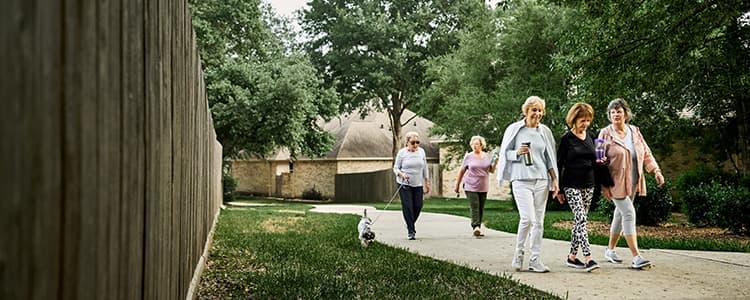
Our social well-being of being outside can help strengthen our social bonds. Community gardens, walking groups, and outdoor classes in a life plan community create opportunities for us to connect with others. Social interactions outdoors in nature tend to feel less intimidating, in turn helping to build friendships and reduce loneliness.
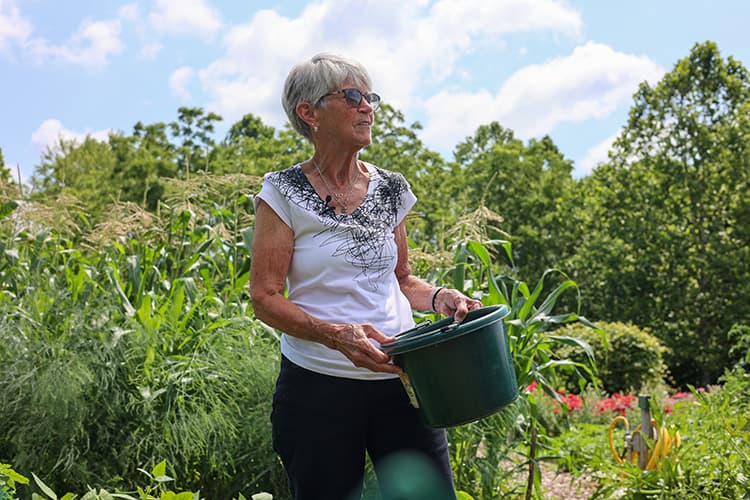
Community gardens are also a healthy way to stay socially involved. Sharon E., a resident at Quincy Village, Waynesboro, PA, discovered this first-hand. "I may walk around with my bucket and say, 'Do you want any green beans?' That is just therapeutic."
Making Nature Therapy Accessible in Senior Living Communities
How can we make nature therapy accessible? It doesn’t have to be hiking trails or forests. We can benefit from it by sitting on our porch with plants surrounding us, visiting a community garden, watching wildlife from our window, taking short walks outdoors around campus and participating in outdoor activities that are offered at our senior living communities.
Birdwatching: A Simple Outdoor Activity That Supports Calm and Cognitive Health
Bird watching is just one example of how we can enjoy the outdoors. Watching birds encourages our stillness and presence. We naturally slow our breathing down and focus when we watch the birds. We listen to their sounds, see their colors and their movements- this helps to reduce our stress. Identifying types of birds, their sounds, and noticing seasonal changes, helps stimulate our brain and supports our cognitive health. Birds offer companionship without conversation; we can listen to them and be comforted by their sounds.
Benefits of birdwatching for older adults include:
- Reduced stress and slower breathing
- Improved focus and cognitive stimulation
- A calming sense of companionship
Gardening for Purpose, Confidence and Emotional Renewal
Gardening is another way we can enjoy nature; it can help give us purpose and emotional renewal. We can feel a renewed sense of purpose by planting and tending to our gardens whether they are planted outside or inside. Gardening also stimulates our senses, in the smells, textures and colors of the plants, enhancing overall outdoor wellness.
At Cathedral Village, Philadelphia, Ruth MacCarthy, the on-staff horticulturist, has witnessed firsthand the remarkable benefit of Horticulture Therapy for residents. Through her expertise and passion, she created a nurturing environment where individuals can engage with plants, participate in horticultural activities and immerse themselves in the restorative power of nature.
Quiet Nature Observation: Creative Ways to Restore Inner Calm
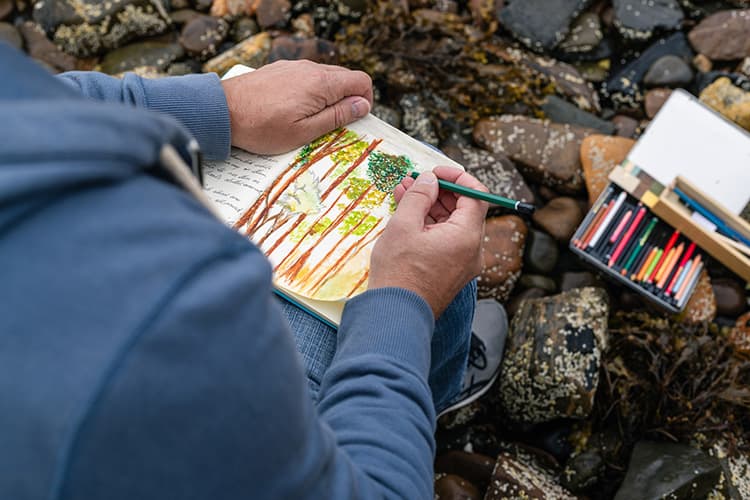
Quiet nature observation helps us to a path of inner calm, not all of us can garden or walk long distances and that’s okay; Nature therapy can be as simple as us sitting outside or near a window. Simple creative nature activities can help support our well-being. Here are a few: nature journaling-writing or sketching what we see; photography-capturing flowers, birds or landscapes through the lens of our camera; herb growing indoors-basil, mint or lavender; feeding the birds in our yards and sensory walks- focusing on sounds, textures, and scents. Any of these activities encourages presence, curiosity, and emotional expression. Bird watching sparks our joy, gardening builds our confidence. Quiet observation restores calm. All these together create a holistic path to our mental and emotional well-being.
How Senior Living Communities Encourage Wellness Through Outdoor Living
In senior living and life plan communities, outdoor experiences offer simple, meaningful ways to support holistic wellness as we age. These can include:
- Walking paths designed for various mobility levels
- Community gardens plots where residents can tend plants or simply enjoy the atmosphere
- Bird feeding stations that attract wildlife for viewing
- Greenhouses for year-round nature access
Frequently Asked Questions About Nature Therapy for Older Adults
Getting outdoors helps us feel more connected and calmer. Nature has a way of giving us what we need, when we need. Our senior living communities are places where we can discover many things outdoors that can help lead us to feeling calmer and more connected.
“In every walk with nature
one receives far more than he seeks.”
John Muir“Adopt the pace of nature; her secret is patience.”
Ralph Waldo Emerson