.svg)



Each year, World Health Day reminds us that good health is one of our most valuable assets. For residents of senior living communities like ours, it’s also an opportunity to reflect on how we care for ourselves—physically, emotionally, and socially. One important piece of self-care that can have a significant effect on overall health, but is sometimes overlooked, is handling stress.Stress is a natural part of life. It can arise from changes in health, adjusting to new routines, managing chronic conditions, or even keeping up with a busy calendar of activities. While occasional stress is normal, ongoing stress can affect sleep, mood, appetite, and even the immune system.
The good news? There are simple, effective ways to manage stress and strengthen your well-being every day.
Understanding Stress and Its Impact
As we age, our bodies may respond to stress differently. You might notice headaches, muscle tension, digestive changes, or increased fatigue during stressful times. Stress can also make it harder to manage chronic conditions such as heart disease, diabetes, arthritis, or high blood pressure.

Being aware of how stress shows up in your body is the first step toward managing it. Pay attention to changes in mood, energy levels, or physical symptoms. Recognizing these signals allows you to take action early—before stress becomes overwhelming.
The Power of Mindfulness
One of the most effective tools for reducing stress is mindfulness. Mindfulness simply means paying attention to the present moment without judgment. It doesn’t require special equipment or long meditation sessions. In fact, it can be practiced almost anywhere.
Try these simple mindfulness techniques:
- Deep breathing: Inhale slowly through your nose for four counts, hold for four counts, and exhale through your mouth for four counts. Repeat several times.
- Body awareness: Sit comfortably and notice how your body feels—your feet on the floor, your hands in your lap, your breathing.
- Mindful walking: As you walk around campus, focus on the rhythm of your steps and the sights and sounds around you.
- Gratitude pause: Take a moment each day to name three things you are thankful for.
Most PSL communities offer yoga, tai chi, guided meditation, or relaxation classes. Participating in these activities can calm the mind, reduce muscle tension, and improve balance and flexibility.
Nutrition and Stress Management
What you eat can also influence how you feel. Balanced nutrition supports both physical and emotional health. Skipping meals or relying heavily on processed foods may increase fatigue and irritability, making stress harder to manage.
Focus on:
- Whole foods: Fruits, vegetables, whole grains, and lean proteins are the foundation of a healthy diet.
- Healthy fats: Foods like nuts, seeds, and fish support brain health.
- Hydration: Drinking enough water helps maintain energy and concentration.
- Consistent meals: Regular eating patterns help stabilize blood sugar and mood.
If you have dietary restrictions related to a chronic condition, such as low-sodium needs for heart health or carbohydrate management for diabetes, be sure the dietary team at your PSL community is aware of it. They can be a great resource for helping you manage your disease.
Managing Chronic Illness With Confidence
Chronic conditions can add an extra layer of stress, especially when symptoms fluctuate. Effective management can reduce both physical discomfort and emotional strain.
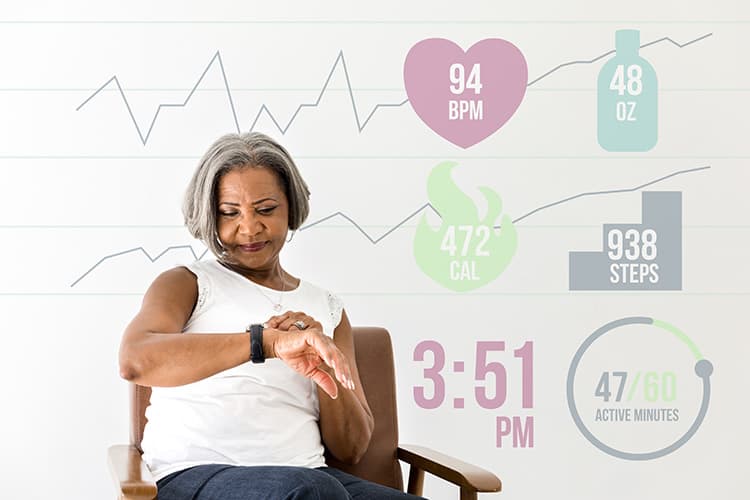
Here are a few helpful strategies:
- Stay informed: Understand your condition and treatment plan.
- Take medications as prescribed: Use pill organizers or reminders, if needed.
- Have regular checkups: Detecting changes early can prevent complications.
- Stay active: Gentle, regular movement—such as walking, stretching, or water aerobics—supports joint health, heart health, and mood.
- Communicate openly: Share concerns with your caregivers so they are aware of how you are feeling.
Managing chronic illness isn’t about perfection. Instead, it’s about consistency and partnership with your care providers.
Building a Supportive Routine
Self-care is not selfish; it’s essential. Make it part of your daily routine. Schedule time for relaxation, just as you would schedule a medical appointment or social event. Connect with friends, attend community gatherings, or join a support group. Social connection is a powerful buffer against stress.
On this World Health Day, consider one small step you can take to support your well-being—perhaps try a mindfulness class, choose a nourishing meal, or review your health goals with a nurse or physician.
Stress may be unavoidable, but with awareness and intentional self-care, it doesn’t have to control your life. By nurturing your mind, body, and spirit, you can continue to live each day with resilience, balance, and vitality.