.svg)



Health & Aging | Community Experience
Updated from the original publication on July 10, 2025.
Community gardens in senior living communities are more than a popular amenity; they play a meaningful role in supporting healthy aging. For older adults, gardening programs combine physical activity, social engagement and access to fresh foods, creating opportunities to stay active, connected and purposeful through meaningful senior living activities and wellness programs.
From Independent Living residents to those in assisted living, skilled nursing or memory care neighborhoods, seniors are discovering the joys and benefits of gardening programs in senior living communities as part of their retirement lifestyle.
What are the benefits of community gardens in senior living?
Community gardens in senior living communities support healthy aging by promoting physical activity, social connection, better nutrition and mental well-being. They help older adults stay active, build relationships and enjoy a sense of purpose.
Why Community Gardens Are Growing in Senior Living
Today’s seniors are more active, engaged and wellness-focused than ever before. They’re looking for retirement communities that support lifelong passions and offer opportunities to learn, connect and thrive. Community gardens meet this demand by offering a meaningful way for residents to stay physically active, mentally stimulated and socially involved.
Sharon E., a resident at Quincy Village, Waynesboro, PA, discovered this first-hand. "I may walk around with my bucket and say, 'Do you want any green beans?' That is just therapeutic," she shared, highlighting how gardening creates both connection and joy.
Community gardens are often a feature of Life Plan Communities (sometimes referred to as a Continuing Care Retirement Community or CCRC) and are becoming an integral part of community amenities. Whether in an Independent Living or a Personal Care / Assisted Living neighborhood, these spaces complement other wellness-focused amenities like fitness programs, walking trails and nutrition support, all designed to help residents live healthier and more fulfilling lives.
Community gardens are more than just a trend. They are a key part of how senior living communities support active aging and everyday well-being.
Why is gardening good for seniors?
Gardening is good for seniors because it provides low-impact exercise, encourages social engagement and supports mental well-being. It also offers a sense of purpose and connection to nature.
How Community Gardens Support Active Aging in Senior Living
Community gardens support active aging in senior living communities by combining physical activity, social engagement and purposeful daily routines. Gardening programs encourage older adults to stay mobile, connected and mentally stimulated in meaningful senior living activities. These spaces play an important role in senior wellness programs by promoting overall health, independence and quality of life. These everyday experiences translate into meaningful health and lifestyle benefits for older adults.
4 Key Benefits of Gardening for Seniors
Gardening is one of the most accessible wellness program and senior living activity, and these community gardens offer a wide range of advantages for older adults. Here are four of the most meaningful benefits.
Improves Nutrition and Healthy Eating
One of the direct benefits of gardening for seniors in community settings is a nutritional boost.
While Life Plan Communities offer nutritious, chef-prepared meals, access to a garden provides an added benefit: the joy and health advantages of harvesting and eating food residents have grown themselves.
At Pine Run Lakeview, Doylestown, residents in the personal care community, kicked off the growing season by planting zinnia, spinach, cilantro and cucumber seeds. Not only were they excited to watch them grow, but a few weeks later they were reaping the harvest of their efforts: enjoying salad at lunch with lettuce fresh from the garden.
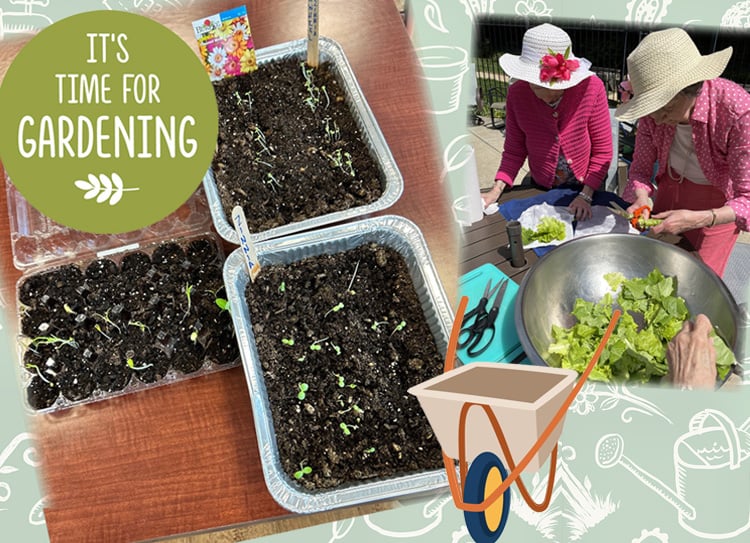
Access to homegrown fruits and vegetables supports better health outcomes for older adults. Studies show that seniors who garden tend to eat healthier. This added motivation to eat more fruits and vegetables helps them manage chronic conditions like diabetes, high blood pressure and osteoporosis.
Encourages Social Connection
Social isolation is a significant concern for many seniors. Community gardens create natural gathering spaces where residents can build meaningful relationships. This makes gardening one of the most meaningful social activities for seniors in a community setting.
For seniors transitioning to a new community, gardens offer an immediate way to connect, easing the emotional adjustment and creating a sense of belonging. Whether a harvest celebration, daily check-ins or sharing gardening tips, gardens offer plenty of opportunity to connect.
Supports Physical Activity and Mobility
Gardening is a gentle, low-impact form of physical exercise, perfect for older adults and supporting active aging in senior living communitiees. It offers many of the same benefits as a traditional fitness regimen but with a more natural, purpose-driven approach.
Health benefits of gardening include:
- Cardiovascular health from walking, watering and light digging
- Improved muscle strength and flexibility from bending, planting, weeding and pruning
- Enhanced balance and coordination, helping to reduce fall risk
- Natural vitamin D exposure, which supports bone density and immunity
Unlike some traditional exercise programs, gardening feels purposeful, encouraging consistent participation, especially for those who might otherwise avoid structured fitness activities. This reinforces the role of holistic wellness in senior living communities.
In addition, many senior living communities offer raised beds and adaptive tools. This makes gardening accessible for residents with limited mobility.
Enhances Mental Health and Purpose
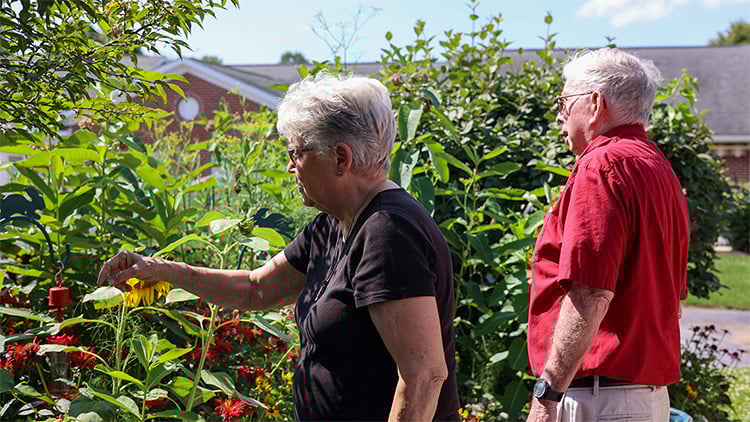 Mental health support is an important component of senior living. Community gardens can contribute to residents’ psychological well-being.
The mental health benefits of gardening are well-documented and include:
- Reduced stress and anxiety through contact with nature
- Improved mood and emotional well-being through sunlight and fresh air
- Mental stimulation from planning, planting and problem-solving
- A deeper sense of purpose and accomplishment
Incorporating gardening into wellness programs can also support individuals living with memory-related conditions. Structured, calming gardening activities can stimulate the senses while providing comfort.
What to Look for in a Senior Living Community with Gardening Programs
When comparing senior living options, look for communities that offer accessible, well-supported gardening programs as part of their wellness and lifestyle offerings. Look for:
- Raised garden beds or accessible designs
- Structured gardening programs or clubs
- Opportunities for social engagement
- Seasonal planting or group gardening events
- Opportunities to share harvests through dining or community programs
- Integration with dining or wellness programs
- Team member-supported or resident-led initiatives
Frequently Asked Questions about Community Gardens in Senior Living Communities
Cultivating a More Fulfilling Retirement
Community gardens in senior living communities offer more than just fresh herbs or seasonal vegetables. They create daily moments of connection, purpose and well-being. For those exploring senior living options, these shared spaces can be a meaningful part of a retirement community lifestyle that supports active, engaged aging.
