.svg)



When the time comes to find a senior living solution for an older adult, many families face a difficult decision about how to balance independence with safety and support. Personal care living, also known as assisted living, offers a middle ground. But who is a good candidate for these types of communities, and what exactly are the benefits? Below, we answer some of the most common questions families ask about personal care living and what makes it an appealing choice for many older adults.
Answering Commonly Asked Questions About Personal Care Living
Q: What is personal care living, and how is it different from a nursing home?
A: Personal care living provides residents with individualized care in a home-like setting. The focus is on offering just the right amount of support and community engagement to allow older adults to maintain their highest levels of independence. Residents typically have their own private apartment or suite. But they also have access to caregivers who can help with daily activities, such as bathing, dressing, medication management, and meals. They don’t, however, require the intensive medical care provided in nursing homes.
Q: How does personal care living improve quality of life for seniors?
A: Personal care living supports both physical and emotional well-being. Seniors often thrive when they have a balance of independence, assistance, and community. It allows them to feel confident that help is available when they need it, but also to feel they are empowered and in charge of their own lives.
Having access to engaging activities and reliable care can significantly enhance day-to-day happiness.
For example, many communities host intergenerational events, like visits from local schools and clubs. These events foster connection and vitality across age groups. At Glen Meadows Retirement Community, residents in Assisted Living and Healthcare neighborhoods meet with preschoolers from the Notchcliff Nature Program, including this school year's Elder Flower Walk.
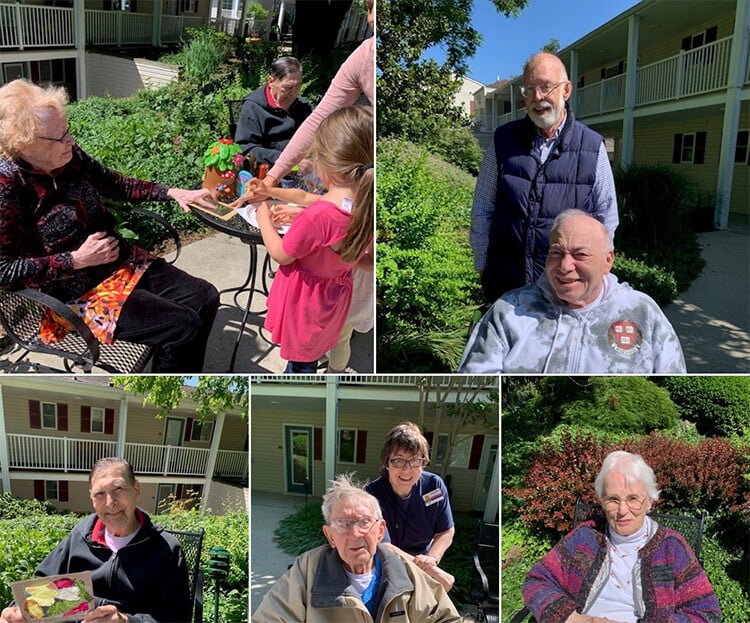
Students, parents, and teachers led the group with songs, crafts, and story time and ended the hour with soothing chimes.
Once an older adult moves into a supportive environment like personal care or assisted living, many families notice improvements in their loved one’s mood, appetite, and activity level.
Q: What kind of activities are available for residents in personal care?
A: Isolation among older adults is a serious health risk. It can increase a senior’s odds of developing a variety of problems ranging from diabetes to depression. Personal living communities offer a variety of programs designed to promote engagement, creativity, and connection—key elements for maintaining cognitive, emotional, and physical health. Daily programs vary by community, but most offer a robust calendar that includes fitness classes, arts and crafts, gardening, educational workshops, movie nights, group outings, and more.
Q: Is personal care living affordable?
A: While costs vary based on location, amenities, and level of care, personal care / assisted living can be surprisingly affordable when compared to the combined expenses of home care, utilities, groceries, and home maintenance. Many communities also offer flexible pricing or tiered care packages, allowing residents to pay only for the services they need.
And some communities have more flexible payment and pricing options. A Guide to Understanding Senior Living Pricing might be a helpful resource to download and read.
Q: How can families know when it’s time to consider a move to a personal care living community?
A: While any older adult who is struggling to maintain their independence at home can be a good candidate for personal care living, there are some signs it might be necessary.
 It may be time to explore your local options if a loved one is experiencing:
- Difficulty managing medications
- Frequent falls or safety concerns
- Poor nutrition or missed meals
- Social isolation or loneliness
- Trouble keeping up with housekeeping or personal hygiene
And for families providing support at home, transitioning a loved on to personal care may also positively impact their relationships.
Elizabeth, mother of a resident, shares, "Since she’s moved here, I don’t have to be doing all the things for her anymore. They’re giving me the privilege of just being able to visit with my mom. I think assisted living is one of the best things you can do for your parent."
Call a PSL Community Near You to Schedule a Visit
The best way to learn more is to visit a community in person. With locations in Maryland, Pennsylvania, Ohio, and Delaware, PSL likely has a community that meets your needs or those of a senior loved one. Call today to schedule a time!