When thinking about diversity, we often think about the physical differences between us that we can see. Some experiences that shape who we are, how we connect and interact with others aren’t immediately visible. Invisible diversity includes our unique experiences and circumstances we carry with us. These “invisible” experiences can include military service, chronic health conditions, caregiving responsibilities, neurodiversity and experiences with grief and loss.
Share
Choosing where to work is about more than a job title or a salary. It is about finding an organization that sees you as a whole person, one with financial goals, health needs, family responsibilities, and a life that extends well beyond your shift.
Share
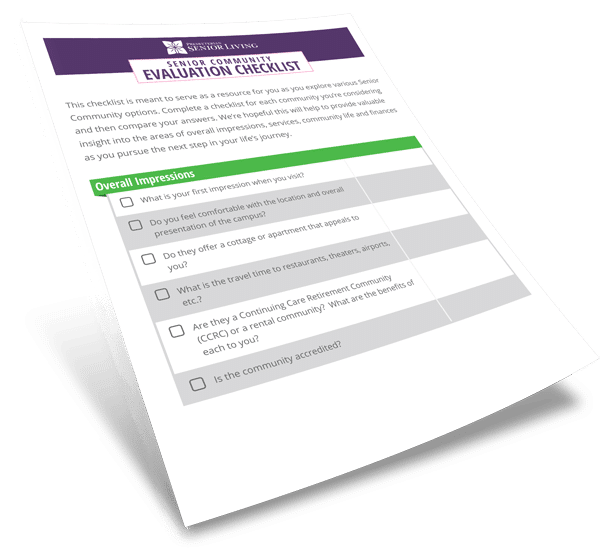
Subscribe to the Presbyterian Senior Living blog and receive our free Community Evaluation Checklist to ensure you ask what’s most important to you.
Most of us understand the importance of planning for major life events. We save for retirement. We create wills. We make decisions to protect our future. Yet, one often overlooked area is planning for changes in health.
Share
Community Experience | Health & Aging
Quick Answer Today’s senior living communities offer far more than a monthly activities calendar. Life Plan communities help older adults stay engaged through meaningful relationships, lifelong learning, wellness programs, volunteer opportunities, creative expression and resident-led activities. The goal is not simply to keep people busy, but to create opportunities for purpose, personal growth and fulfillment throughout retirement.
Share
Quick Answer: Fall is one of the best times to move to a senior living community. Milder weather makes the move physically easier while the timing helps new residents establish routines before the holidays and winter weather concerns.
Share
Quick Answer: September offers a natural opportunity to reset healthy habits and wellness goals. For older adults and retirees, establishing routines around physical activity, nutrition, sleep, stress management and social engagement can support healthy aging and overall well-being. Small consistent changes often create the most lasting results.
Share
.svg)
