Heart disease is the leading killer of Americans, claiming more lives than all forms of cancer combined. This fact is a scary reality that far too many have to face. To start, let's talk about what coronary heart disease is.
Share
You read it in the newspapers every day – the cost of healthcare is rising, the system is harder to understand and navigate, and patients are not getting the benefit for all of the money our healthcare system costs the country. And, if you have chronic illnesses such as high blood pressure, diabetes, high cholesterol, COPD or congestive heart failure, chances are you’ve experienced significant confusion and conflicting information as you navigate the system.
Share
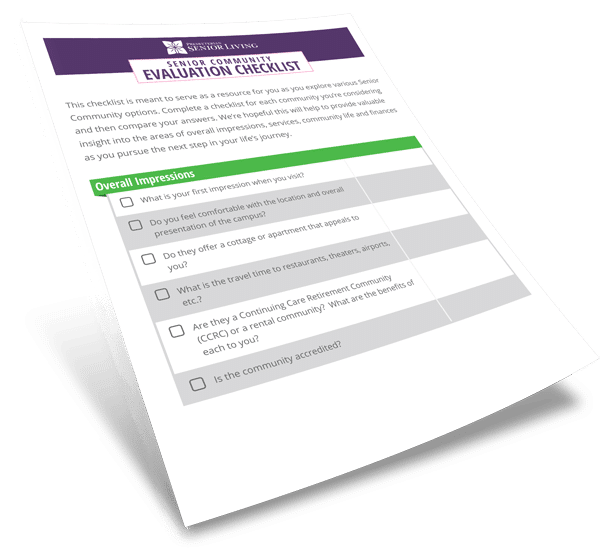
Subscribe to the Presbyterian Senior Living blog and receive our free Community Evaluation Checklist to ensure you ask what’s most important to you.
Health & Aging | Personal Care/Assisted Living
Is your spouse - or parent - struggling to care for themselves? Perhaps you realize living at home is not the ideal situation for your loved one and you may need personal care or assisted living for your spouse. But how do you start the conversation about seeking out a senior living community.
Share
Caregiver Support | Health & Aging
As summer is in full swing and the outside temperature heats up, it's a perfect time to start talking about preventing dehydration throughout the summer months. Older adults face an increased risk of dehydration due to reduced ability to conserve water, a decrease in thirst, and a decreased daily fluid intake. Chronic illnesses and medication use increase risk as well, so seniors suffering from diabetes or dementia or taking certain medications may be at higher risk of dehydration.
Share
As the weather gets warmer, people often find themselves spending more time outdoors than they did in the past months. Summer is right around the corner, which brings the promise of afternoon walks, water activities, and picnics. The opportunities are endless! With these activities also come the dangers of the sun's harmful rays. In this blog post, we look at some easy ways to protect your skin during the summer months, along with some common misconceptions about skin protection!
Share
National Nutrition Month is a time to learn more about how to make informed food choices and develop sound eating and physical activity habits. Set small, realistic goals that help you make positive changes to avoid becoming overwhelmed or being too restrictive. Try the following weekly goals in your daily routine during the next 4 weeks!
Share
.svg)
