The month of June offers multiple month-long recognitions and individual dates that celebrate the diversity of our Nation. These celebrations showcase the strength, determination and faith of many different cultures and backgrounds. We share a few widely known celebrations along with a few you may not be as familiar with.
Share
A few months ago, in one of our Thrive Wellness blogs, we highlighted walking as a great way to engage in a simple, easy, healthy physical activity. Walk when you have time and enjoy it – walk inside, perhaps on a piece of exercise equipment, or head outdoors. When walking outside, one not only gains the benefits of the physical movement itself – but can also enjoy other key dimensions of wellness such as emotional, spiritual, and social. Walking is an activity that is beneficial for various reasons, but how a person walks is noteworthy, as well.
Share
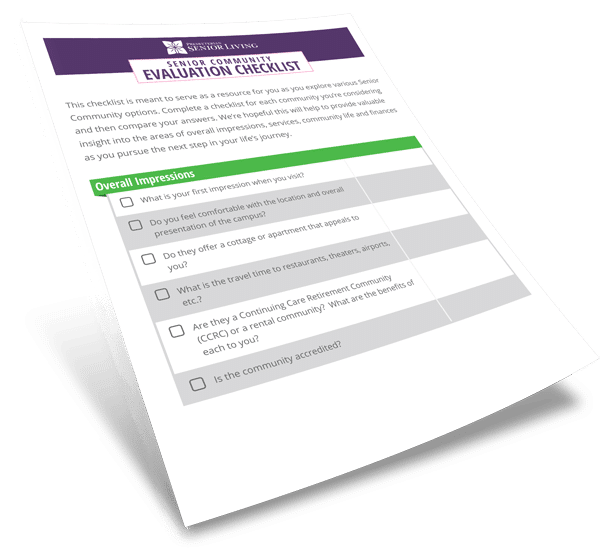
Subscribe to the Presbyterian Senior Living blog and receive our free Community Evaluation Checklist to ensure you ask what’s most important to you.
May is Older Americans Month, a time to celebrate those who are over 65, our seniors who have contributed to their families, our communities and our country in countless ways. The celebration of this nationally recognized month was established in 1963 when only 17 million living Americans had reached their 65th birthday. About a third of older Americans lived in poverty, and there were few programs to meet their needs. Interest in older Americans and their concerns was growing. A meeting in April 1963 between President John F. Kennedy and members of the National Council of Senior Citizens led to designating May as "Senior Citizens Month," the prelude to "Older Americans Month."
Share
Scammers and fraud are nothing new, and unfortunately, they’ve been around for a long time. However, as technology gets more advanced and complicated, the scams people can come up with also get more complex. But even just a little knowledge can help you spot and outwit a scammer. Below are some of the most common scams, and what you should look out for in each of them.
Share
Personal care communities provide older adults with professional assistance when needed while supporting an engaging lifestyle. Most personal care and assisted living communities offer meals, housekeeping and transportation services, assistance with the activities of daily living (ADL's), medication management and support. For many older adults and their families, Personal Care offers the right balance of independence and supports. Residents can enjoy opportunities for social connection, wellness programming and meaningful daily experiences while receiving assistance tailored to their individual needs.
Share
As Presbyterian Senior Living continues on our journey towards belonging, we acknowledge that everyone has a bias. It is a part of who we all are. There are multiple resources available that speak to bias and help you understand bias and its role in the workplace or personal relationships.
Share
.svg)
