Spring is officially here….and with this wonderful season comes longer days and a trend towards warmer days as well. Fresh air and vitamin D are just a few of the health benefits derived from walking outside. Consider going for a stroll around your neighborhood and community – get outside and really breathe in the fresh air.
Share
National Nutrition Month is a time to learn more about how to make informed food choices and develop sound eating and physical activity habits. Set small, realistic goals that help you make positive changes to avoid becoming overwhelmed or being too restrictive. Try the following weekly goals in your daily routine during the next 4 weeks!
Share
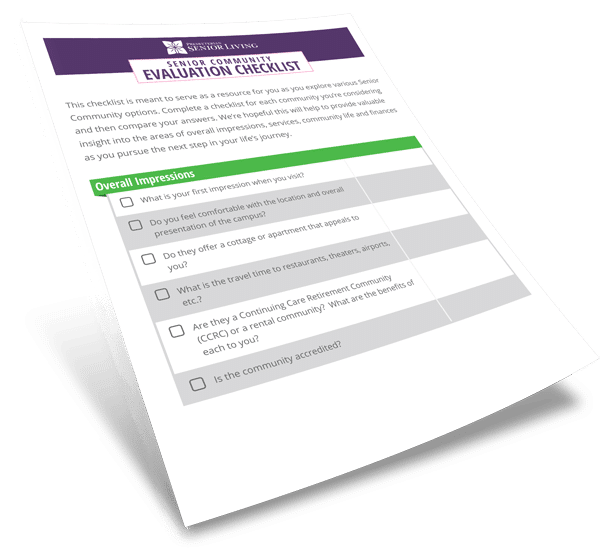
Subscribe to the Presbyterian Senior Living blog and receive our free Community Evaluation Checklist to ensure you ask what’s most important to you.
March 8 is designated as International Women's Day, which is a time to reflect on progress made, call for change, and celebrate acts of courage and determination by ordinary women who have played an extraordinary role in their countries' history.
Share
February is Black History Month. In celebrating the contributions, the challenges, and the African American community's determination, we wanted to take this opportunity to share how this celebration began.
Share
As a faith-based organization, Presbyterian Senior Living (PSL) is founded on the belief that every human being is unique and of infinite worth. Based on this premise, Presbyterian Senior Living is committed to fully embracing the diversity of all persons served so that together, we can foster a culture of inclusion in an environment where all people are treated with dignity and respect.
Share
Today we celebrate those veterans who served our country. We owe you our thanks, but more than that, we owe you our freedom. There's no way to thank our veterans for everything they sacrificed for our freedom, but on Veterans Day, we have to try. So, thank you to all our service men and women! Below we have highlighted a few stories from veteran residents at our various communities.
Share
.svg)
